Roofing and Siding Contractors in My Area: A Comprehensive Guide
Exploring the world of roofing and siding contractors in my area, this guide aims to provide valuable insights and information on choosing the right professionals for your home improvement projects. From materials to installation processes, get ready to dive into everything you need to know.
Delving deeper into the types of materials used and the intricate process of selecting the right contractor, this guide will equip you with the knowledge to make informed decisions for your roofing and siding needs.
Types of Roofing and Siding Materials
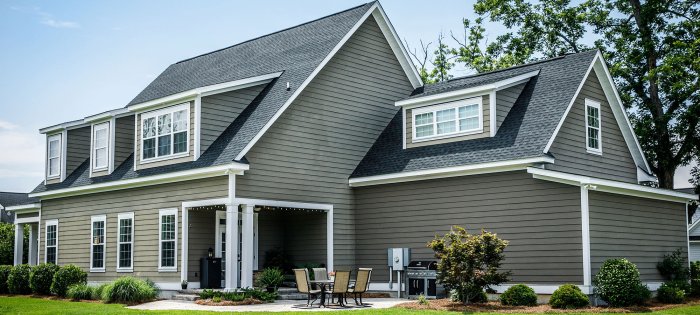
When it comes to roofing and siding, there are various materials available in the market to choose from. Each material comes with its own set of pros and cons, as well as different levels of durability and maintenance requirements.
Asphalt Shingles
Asphalt shingles are one of the most commonly used roofing materials due to their affordability and ease of installation. They come in a variety of colors and styles, making them a versatile option for homeowners. However, asphalt shingles have a shorter lifespan compared to other materials and may require more frequent maintenance.
Metal Roofing
Metal roofing is known for its durability and longevity, with some types lasting up to 50 years or more. It is also energy-efficient and environmentally friendly. On the downside, metal roofing can be more expensive upfront and may require professional installation.
Wood Siding
Wood siding offers a natural and rustic look to a home, adding warmth and charm. It is also relatively easy to repair and replace individual pieces if damaged. However, wood siding is prone to rot, insect infestation, and requires regular maintenance such as painting or staining to prolong its lifespan.
Vinyl Siding
Vinyl siding is a popular choice for homeowners due to its affordability, low maintenance, and wide range of colors and styles. It is resistant to rot, insect damage, and fading. However, vinyl siding can crack or warp over time, especially in extreme weather conditions.
Fiber Cement Siding
Fiber cement siding is a durable and low-maintenance option that mimics the look of wood or masonry. It is resistant to rot, fire, and insects, making it a long-lasting choice for homeowners. However, fiber cement siding can be more expensive than other materials and may require professional installation.
Choosing the Right Contractor
When it comes to selecting a roofing and siding contractor for your home, it’s essential to do your due diligence to ensure you hire a reputable and trustworthy professional.
Research and Selection Process
- Start by asking for recommendations from friends, family, or neighbors who have recently had roofing or siding work done.
- Utilize online resources such as review websites and the Better Business Bureau to check the contractor’s reputation and ratings.
- Verify the contractor’s credentials, including licenses, insurance, and certifications, to ensure they meet the necessary requirements.
Importance of Credentials
Checking the licenses, insurance coverage, and certifications of a roofing and siding contractor is crucial to protect yourself and your property. Licensed contractors are more likely to adhere to industry standards and regulations, while insurance coverage provides liability protection in case of accidents or damages during the project.
Reading Reviews and Asking for References
Before making a decision, take the time to read reviews and testimonials from previous clients. This can give you insight into the contractor’s work quality, reliability, and customer service. Additionally, don’t hesitate to ask the contractor for references that you can contact directly to inquire about their experience working with the contractor.
Roofing and Siding Installation Process
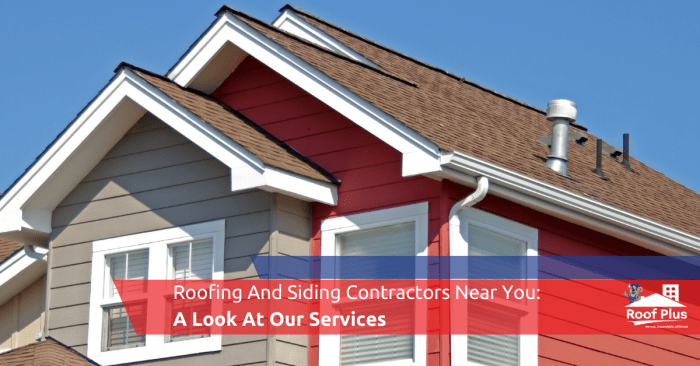
When it comes to the installation of roofing and siding, there are several important steps that contractors follow to ensure a successful and safe process. From site preparation to addressing common challenges, contractors play a crucial role in the overall installation process.
Site Preparation and Safety Measures
Contractors begin by preparing the site for roofing and siding installation. This may involve clearing the area of any debris, ensuring proper drainage, and setting up scaffolding or safety equipment. Safety measures are paramount during the installation process to prevent accidents and injuries.
Contractors are trained to follow safety protocols and use protective gear to minimize risks.
- Clearing the work area of any obstacles
- Setting up scaffolding or ladders for access
- Ensuring proper ventilation and safety equipment
Common Challenges and Solutions
During the installation process, contractors may encounter challenges that could impact the timeline or quality of the project. Common challenges include unexpected weather changes, material shortages, or structural issues. Contractors are equipped to handle these challenges with effective solutions to keep the project on track.
- Adapting to weather conditions by rescheduling or adjusting installation techniques
- Communicating with suppliers to address material shortages promptly
- Assessing and addressing any structural issues that may arise during installation
Costs and Budgeting
When it comes to roofing and siding projects, understanding the costs involved and how to budget for them is crucial to ensure a successful outcome. Factors such as materials, labor, size of the project, and any additional features can all influence the overall cost.
To help you navigate through this process, here are some tips on budgeting for your roofing or siding project and why obtaining multiple quotes from contractors is essential.
Factors Influencing Costs
- The type of materials used: Different roofing and siding materials come at varying price points, with some being more expensive than others.
- The size and complexity of the project: Larger or more intricate projects will generally cost more due to the increased labor and materials required.
- Additional features: Add-ons such as skylights, chimneys, or intricate designs can add to the overall cost of the project.
- Location: Labor costs can vary depending on the region, so the location of your project can also impact the final budget.
Tips on Budgeting
- Set a realistic budget: Determine how much you are willing to spend on your roofing or siding project and stick to it to avoid overspending.
- Get multiple quotes: Reach out to several contractors to compare prices and services offered, ensuring you get the best value for your money.
- Plan for unexpected costs: It’s important to have a contingency fund in case unexpected expenses arise during the project.
- Prioritize essential features: If you’re working within a tight budget, focus on the must-have features and consider adding extras later on.
Importance of Obtaining Multiple Quotes
- Allows for price comparison: Getting quotes from different contractors enables you to compare prices and choose the most cost-effective option.
- Ensures transparency: By obtaining multiple quotes, you can assess the breakdown of costs and make an informed decision based on the provided information.
- Helps in selecting the right contractor: Meeting with different contractors gives you the opportunity to evaluate their credentials, communication style, and overall professionalism before making a commitment.
- Prevents overcharging: Having multiple quotes can protect you from being overcharged or misled by unscrupulous contractors, ensuring you get a fair deal.
Final Wrap-Up
In conclusion, navigating the realm of roofing and siding contractors in your area doesn’t have to be daunting. With the right information and resources at your disposal, you can confidently embark on your home renovation journey. Armed with this guide, you’re now ready to take the next steps towards enhancing the beauty and functionality of your home.
FAQ Compilation
What factors should I consider when choosing a roofing and siding contractor?
When selecting a contractor, it’s crucial to look at their experience, certifications, and past reviews to ensure quality work and professionalism.
How can I estimate the cost of a roofing or siding project?
Factors like materials used, size of the project, and labor costs influence the overall budget. It’s advisable to get multiple quotes for accurate pricing.
What are some common challenges during the installation process?
Weather delays, unexpected structural issues, and safety concerns can arise. Experienced contractors are equipped to handle these challenges efficiently.