Unlocking the Power: A Comprehensive Guide to Power Windows and Siding
With power windows and siding taking the spotlight, this paragraph sets the stage for an informative journey ahead, shedding light on the world of technology and innovation in vehicles and homes.
The following paragraphs will delve into the purpose, types, materials, installation, and maintenance of power windows and siding, offering valuable insights and tips for readers.
Overview of Power Windows and Siding
Power windows and siding are modern upgrades that offer convenience and efficiency in both vehicles and homes.
Power Windows in Vehicles
Power windows in vehicles are operated electronically, allowing passengers to raise or lower the windows with the push of a button. This feature eliminates the need for manual cranking, providing a more effortless and comfortable experience for drivers and passengers.
Benefits of Power Siding for Homes
Power siding for homes offers advantages such as remote control operation, enhanced insulation, and improved security. With the ability to adjust siding settings from a distance, homeowners can easily regulate the temperature inside their homes and protect against external elements.
Additionally, power siding often comes with advanced locking mechanisms, adding an extra layer of security to the property.
Difference from Traditional Manual Systems
The main difference between traditional manual windows/siding and power-operated ones lies in the convenience and ease of use. While manual systems require physical effort to operate, power windows and siding offer a more efficient and user-friendly solution. The automation provided by power-operated systems saves time and effort, making daily tasks more manageable for users.
Types of Power Windows
Power windows in vehicles come in different types, each offering unique features and functionalities. Let’s take a closer look at the various types available in the market.
Automatic Power Windows
Automatic power windows are designed to open and close with just the push of a button. These windows are equipped with an electric motor that moves the window up or down automatically. The convenience of automatic power windows allows drivers to effortlessly control the windows without the need for manual intervention.
Semi-Automatic Power Windows
Semi-automatic power windows, on the other hand, require some manual assistance in addition to the electric motor. While they can be controlled electronically, these windows may need a slight push or pull to fully open or close. Semi-automatic power windows are a popular choice in some vehicles due to their balance of automation and manual operation.The technology behind power windows involves a system of electrical components that work together to regulate the movement of the windows.
When the driver presses the window switch, an electrical signal is sent to the window motor, prompting it to move the window accordingly. The window regulator helps translate the motor’s movement into the up and down motion of the window glass.Overall, power windows offer convenience and ease of use for vehicle occupants, making them a popular feature in modern vehicles.
Types of Siding Materials
When it comes to siding materials for residential buildings, there are several options available to homeowners. Each material has its own set of pros and cons, which can influence the decision-making process.
Vinyl Siding
Vinyl siding is one of the most popular choices for homeowners due to its affordability and low maintenance requirements. It is available in a wide range of colors and styles, making it versatile for different architectural designs. However, vinyl siding may crack or fade over time, and some homeowners find it less durable compared to other materials.
Wood Siding
- Pros:
- Natural and traditional look
- Can be painted or stained in various colors
- Eco-friendly if sourced from sustainable forests
- Cons:
- Requires regular maintenance and refinishing
- Prone to rot, insect infestations, and warping
- Higher cost compared to vinyl or fiber cement
Fiber Cement Siding
- Pros:
- Durable and long-lasting
- Resistant to rot, fire, and insects
- Low maintenance
- Cons:
- Higher initial cost compared to vinyl
- Installation may require professionals
- Heavy material, making handling and installation challenging
Metal Siding
- Pros:
- Durable and weather-resistant
- Low maintenance
- Modern and sleek appearance
- Cons:
- Potential for rust or corrosion over time
- May dent or scratch easily
- Can be noisy during heavy rain or hail
Installation Process for Power Windows and Siding
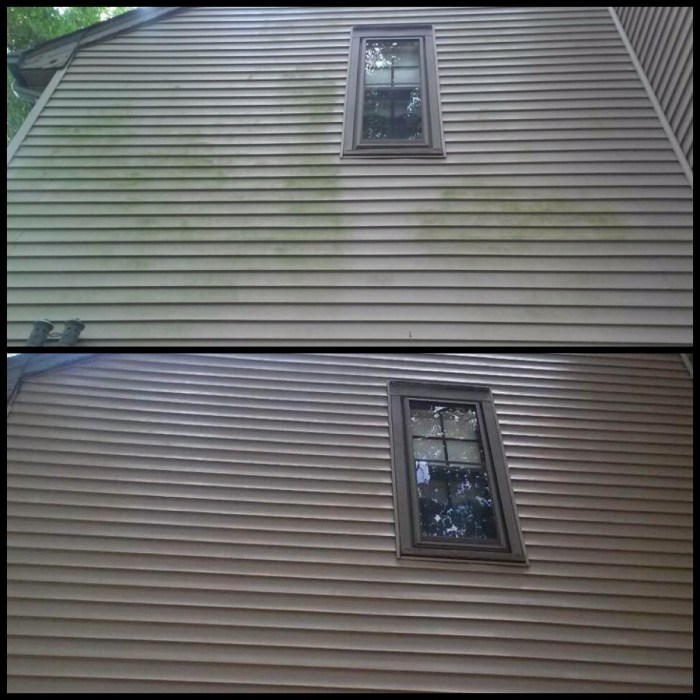
Installing power windows in a vehicle and vinyl siding on a house requires a systematic approach to ensure proper installation and functionality. Safety measures should also be considered during the installation process to prevent accidents or injuries.
Installing Power Windows in a Vehicle
- Start by removing the door panel of the vehicle to access the window mechanism.
- Disconnect the wiring harness connected to the manual window crank or existing power window switch.
- Mount the power window regulator and motor in the door cavity according to the manufacturer’s instructions.
- Connect the wiring harness of the power window kit to the vehicle’s electrical system.
- Test the power window to ensure it moves up and down smoothly without any issues.
- Reinstall the door panel securely and test the window operation again.
Installing Vinyl Siding on a House
- Prepare the exterior wall surface by cleaning it thoroughly and ensuring it is smooth and free of any debris.
- Start at the bottom of the wall and secure the starter strip, ensuring it is level and properly aligned.
- Install J-channel around windows, doors, and corners to provide a finished look and secure the siding panels.
- Begin installing the vinyl siding panels from one end of the wall, overlapping each panel to prevent water infiltration.
- Cut the siding panels to fit around windows, doors, and corners using a utility knife or vinyl siding cutter.
- Secure the siding panels with nails or clips, making sure they are properly fastened to the wall.
- Finish the installation by installing trim pieces around windows, doors, and corners for a clean and polished look.
Remember to wear appropriate safety gear such as gloves, safety glasses, and a dust mask during the installation process to protect yourself from injuries.
Maintenance Tips for Power Windows and Siding
Regular maintenance is essential to ensure the longevity and optimal functioning of power windows and siding. By following some simple tips, you can keep your windows and siding in top condition, preventing costly repairs or replacements down the line.
Maintaining Power Windows
- Regularly lubricate the window tracks and hinges to prevent sticking and ensure smooth operation.
- Check the weatherstripping around the windows for wear and tear, and replace if necessary to prevent drafts and leaks.
- Clean the window glass regularly with a mild detergent and water solution to remove dirt and grime that can hinder visibility.
- Inspect the power window mechanism for any signs of wear or damage, such as slow operation or unusual noises, and address them promptly.
Maintaining Siding Materials
- For vinyl siding, clean it at least once a year with a mixture of water and mild detergent to remove dirt, mold, and mildew buildup.
- Wood siding should be inspected for rot, cracks, or peeling paint regularly and repaired or repainted as needed to prevent water damage.
- Fiber cement siding should be cleaned with a soft brush and mild detergent to remove dirt and debris, avoiding harsh chemicals that can damage the material.
- Metal siding should be inspected for rust and corrosion, and any damaged areas should be repaired promptly to prevent further deterioration.
Spotting and Addressing Common Issues
- If your power windows are slow to operate or get stuck, check for obstructions in the tracks or worn-out motor components that may need replacement.
- For siding, look out for signs of water damage, such as mold growth, peeling paint, or warped panels, which could indicate underlying issues that need to be addressed promptly.
- Address any cracks or gaps in the siding promptly to prevent moisture intrusion, which can lead to mold growth and structural damage over time.
Outcome Summary

In conclusion, power windows and siding are essential components that enhance the comfort and functionality of vehicles and homes. By understanding their types, materials, and maintenance, you can ensure long-lasting performance and efficiency. Dive into the world of power windows and siding today and elevate your living experience.
FAQ Summary
How do power windows operate?
Power windows operate using an electric motor that drives the window regulator mechanism, allowing for automatic opening and closing.
What are the benefits of vinyl siding?
Vinyl siding is low maintenance, durable, and comes in a variety of colors and styles, making it a popular choice for homeowners.
How can I maintain power windows for longevity?
To maintain power windows, regularly lubricate moving parts, clean the tracks, and address any issues promptly to ensure smooth operation.
What are the common materials used for siding?
Common siding materials include vinyl, wood, fiber cement, and metal, each with their own unique characteristics and benefits.
What safety measures should be considered during siding installation?
During siding installation, ensure proper use of tools, work on stable surfaces, and follow manufacturer guidelines to prevent accidents.