House Siding Painting Cost: Factors, Estimates, Materials, and Tips
Exploring the world of house siding painting cost unveils a myriad of factors that influence the final price tag. From the size of your home to the type of siding material used, each element plays a crucial role in determining the overall cost.
Let’s delve into the intricacies of estimating painting costs, understanding different siding materials, and discovering cost-saving tips to ensure a successful and budget-friendly painting project for your home.
As we navigate through the various aspects of house siding painting cost, you’ll gain valuable insights that can help you make informed decisions and achieve the desired look for your home without breaking the bank.
Factors Impacting House Siding Painting Cost
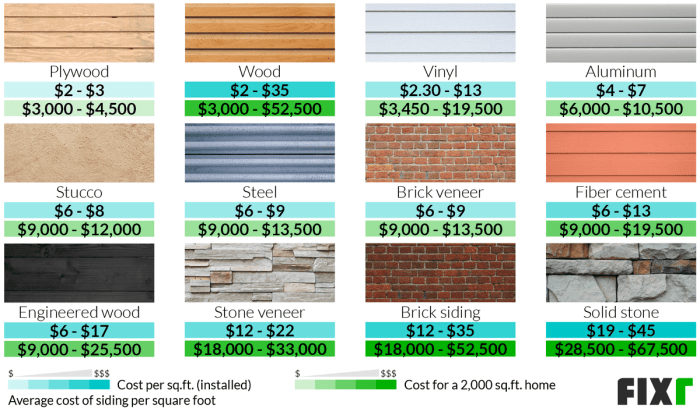
When it comes to determining the cost of painting house siding, several factors come into play. Let’s explore how these factors can influence the overall cost.
Size of the House
The size of the house is a significant factor in determining the cost of painting the siding. Larger homes will naturally require more paint and labor, leading to higher overall costs.
Siding Material
The type of siding material used on the house also plays a crucial role in determining the painting cost. Different materials may require specific types of paint or preparation, impacting the overall cost of the project.
Condition of Existing Siding
The condition of the existing siding can have a direct impact on the overall cost of painting. If the siding is in poor condition and requires extensive preparation or repairs before painting, the cost will increase accordingly.
Location of the House
The location of the house can also impact painting costs. Factors such as accessibility, local labor rates, and environmental regulations can all influence the overall cost of painting the house siding.
Estimating House Siding Painting Costs
When it comes to estimating the cost of painting house siding, there are several factors to consider. From the size of the project to the type of siding material used, each element plays a role in determining the overall cost.
Let’s break down the process step by step.
Calculating the Cost of Painting House Siding
To calculate the cost of painting house siding, you first need to determine the total square footage of the area to be painted. This can be done by measuring the length and height of each wall that needs painting and multiplying these measurements to get the total square footage.
Once you have this number, you can use it to estimate the amount of paint needed and the overall cost.
Average Cost Range per Square Foot
The average cost range per square foot for painting house siding can vary depending on factors such as the type of siding material, the condition of the surface, and the complexity of the project. On average, homeowners can expect to pay anywhere from $1.50 to $4.00 per square foot for siding painting.
Additional Factors to Consider
In addition to the square footage and type of siding material, there are other factors to consider when estimating painting costs. These include the cost of primer, paint quality, labor expenses, preparation work (such as cleaning and sanding), and any repairs needed before painting.
All of these elements can impact the overall cost of the project.
DIY Painting Costs vs. Hiring a Professional
While DIY painting may seem like a cost-effective option, it’s essential to consider the time, effort, and skill required to paint house siding properly. Hiring a professional painter may result in a higher upfront cost, but it can save you time and ensure a high-quality finish.
Additionally, professionals often have access to better quality materials and equipment, which can impact the longevity of the paint job.
Types of Siding Materials and Painting Costs
When it comes to painting house siding, the type of material used can significantly impact the overall cost. Different siding materials such as vinyl, wood, or fiber cement require varying levels of preparation and maintenance, which in turn influence the painting costs.
Impact of Different Siding Materials on Painting Costs
- Vinyl Siding: Vinyl siding is relatively low-maintenance and easy to paint, making it one of the more cost-effective options. The smooth surface allows for easier application of paint, reducing labor costs.
- Wood Siding: Wood siding requires more preparation before painting, such as sanding and priming, which can increase labor costs. Additionally, wood siding may need more frequent repainting due to potential moisture damage, leading to higher long-term costs.
- Fiber Cement Siding: Fiber cement siding is durable and holds paint well, resulting in lower maintenance costs over time. However, the initial painting costs may be higher due to the material’s density and the need for specialized paint.
Longevity and Maintenance Requirements
- The longevity of paint on different siding materials varies. Vinyl siding typically requires repainting every 7-10 years, while wood siding may need repainting every 3-7 years depending on the climate and exposure to elements.
- Fiber cement siding can retain paint for 10-15 years or more, reducing the frequency of repainting and long-term costs. Proper maintenance, such as regular cleaning and inspections, can also impact the lifespan of the paint.
Cost-Saving Tips for House Siding Painting
When it comes to painting your house siding, there are several strategies you can implement to save on costs while still achieving a beautiful finish. From proper preparation to choosing the right materials, these tips can help you stay within budget without compromising on quality.To begin with, preparing the siding properly before painting can make a significant difference in cost savings.
This includes cleaning the surface thoroughly, repairing any damage or cracks, and applying a suitable primer. By taking the time to prep the siding correctly, you can ensure better adhesion of the paint and avoid costly touch-ups later on.Regular maintenance of your house siding can also lead to long-term cost savings when it comes to painting.
By keeping your siding clean and addressing any issues promptly, you can extend the lifespan of the paint job and reduce the frequency of repainting. This proactive approach can help you avoid more extensive repairs down the line, ultimately saving you money.Choosing the right paint quality is another key factor that can impact the overall cost of house siding painting.
While higher-quality paints may come with a higher price tag upfront, they often provide better coverage and durability, reducing the need for frequent touch-ups or repainting. Investing in quality paint can result in cost savings in the long run by extending the lifespan of your paint job.When it comes to hiring painting contractors, don’t be afraid to negotiate to get the best price.
Obtain multiple quotes from different contractors and compare their services, pricing, and reputation. You can also discuss your budget and preferences upfront to see if there are any opportunities for cost-saving measures or discounts. By being proactive and open in your communication, you may be able to secure a better deal without compromising on the quality of the work.
Negotiating with Painting Contractors
When negotiating with painting contractors, keep in mind the following tips to help you get the best price:
- Obtain multiple quotes to compare pricing and services offered.
- Ask about any discounts or promotions that may be available.
- Be clear about your budget and expectations upfront.
- Consider scheduling the painting during the contractor’s off-peak season for potential cost savings.
- Discuss payment terms and options to find a solution that works for both parties.
Final Review
In conclusion, understanding the nuances of house siding painting cost empowers homeowners to approach their painting projects with clarity and confidence. By considering factors like siding material, size of the house, and maintenance requirements, you can embark on a painting journey that not only enhances the aesthetic appeal of your home but also fits within your budget constraints.
Embrace the possibilities that a fresh coat of paint can bring to your house siding, and let your home shine with renewed beauty and charm.
Top FAQs
How does the size of the house impact painting costs?
The larger the house, the more surface area there is to paint, leading to higher costs for materials and labor.
What role does siding material play in determining painting cost?
Different siding materials require varying prep work and paint application techniques, influencing the overall cost.
How does the condition of existing siding affect painting costs?
Deteriorated siding may need extensive repairs or additional preparation before painting, increasing the overall cost.
What are some cost-saving tips for house siding painting?
Preparing the siding properly, choosing high-quality paint, and negotiating with contractors can help reduce painting costs.