Crafting the Perfect Hardiebacker Exterior Siding: A Comprehensive Guide
As hardiebacker exterior siding takes center stage, this guide beckons readers into a world of sturdy and reliable siding options. From installation to maintenance, discover everything you need to know about Hardiebacker siding in this engaging read.
Introduction to Hardiebacker Exterior Siding
Hardiebacker exterior siding is a durable and versatile building material made from a mixture of cement, sand, and cellulose fibers. This composition gives it exceptional strength and resistance to moisture, rot, and fire, making it an ideal choice for exterior applications.
One of the key benefits of using Hardiebacker siding is its longevity and low maintenance requirements. Unlike traditional wood siding, Hardiebacker does not warp, crack, or require frequent painting, saving homeowners both time and money in the long run.
Popularity in the Construction Industry
Hardiebacker siding has gained immense popularity in the construction industry due to its reputation for durability and aesthetic appeal. Builders and homeowners alike appreciate its ability to mimic the look of wood while providing superior performance in various weather conditions.
Installation of Hardiebacker Exterior Siding
When it comes to installing Hardiebacker exterior siding, following a step-by-step process is crucial to ensure a successful and long-lasting finish. From cutting and fitting the panels to using the right tools and materials, proper installation is key to the durability and aesthetics of your exterior walls.
Step-by-Step Process
- Prepare the surface by cleaning it thoroughly and ensuring it is flat and dry.
- Measure and cut the Hardiebacker panels to fit the dimensions of the exterior walls.
- Secure the panels to the surface using the recommended fasteners, following the manufacturer’s guidelines.
- Seal the joints and edges of the panels to prevent moisture infiltration.
- Finish the installation by painting or sealing the Hardiebacker siding for added protection.
Tips for Cutting and Fitting Hardiebacker Panels
- Use a carbide-tipped scoring knife or a power saw with a diamond blade for clean and precise cuts.
- Measure twice and cut once to avoid any wastage of materials.
- Leave a small gap between panels for expansion and contraction due to temperature changes.
- Dry-fit the panels before securing them to ensure a proper fit and alignment.
Recommended Tools and Materials
- Carbide-tipped scoring knife or power saw with a diamond blade
- Fasteners recommended by the manufacturer
- Joint sealant and adhesive tape for waterproofing
- Paint or sealant for finishing
- Measuring tape, level, and safety gear
Maintenance and Care of Hardiebacker Exterior Siding
Proper maintenance is essential to ensure the longevity and appearance of your Hardiebacker exterior siding. By following a routine maintenance schedule and implementing best practices for cleaning, you can keep your siding in top condition for years to come.
Routine Maintenance
- Inspect your Hardiebacker siding regularly for any signs of damage, such as cracks, chips, or discoloration.
- Trim any nearby trees or bushes to prevent branches from scratching or damaging the siding.
- Check for any buildup of dirt, mold, or mildew on the surface of the siding and address it promptly.
- Ensure that the caulking around windows, doors, and other openings is intact to prevent water infiltration.
- Touch up any paint or finish that may have worn off to maintain the appearance and protection of the siding.
Cleaning and Preservation
- Regularly clean your Hardiebacker siding with a mixture of mild soap and water to remove dirt, dust, and other debris.
- Avoid using harsh chemicals or abrasive cleaners that may damage the surface of the siding.
- Rinse the siding thoroughly after cleaning to remove any soap residue and prevent streaking.
- For stubborn stains or mold growth, consider using a diluted bleach solution and a soft brush to gently scrub the affected areas.
- Apply a clear sealant or protective coating to the siding every few years to maintain its appearance and durability.
Climate Considerations
- In humid climates, be vigilant about cleaning and inspecting your Hardiebacker siding for mold or mildew growth, as moisture can promote their development.
- In areas with extreme temperature fluctuations, monitor the siding for any signs of expansion or contraction, which may lead to cracking or warping.
- During winter months, remove any snow or ice buildup on the siding to prevent water damage and maintain its structural integrity.
- Consider applying an additional layer of insulation behind the siding to improve energy efficiency and protect against temperature extremes.
Durability and Longevity of Hardiebacker Exterior Siding
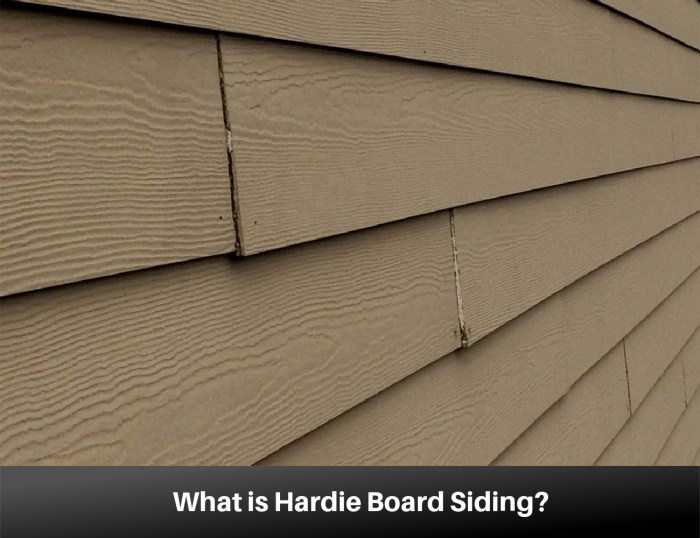
Hardiebacker exterior siding is known for its exceptional durability and longevity, making it a popular choice for homeowners looking for a long-lasting siding solution.
Weather Resistance
Hardiebacker siding is designed to withstand various weather conditions, including extreme heat, cold, rain, and wind. Unlike other siding materials that may warp, crack, or fade over time due to exposure to the elements, Hardiebacker maintains its structural integrity and appearance, making it a reliable option for any climate.
Comparison to Other Siding Materials
When compared to traditional wood siding or vinyl siding, Hardiebacker exterior siding outperforms in terms of longevity and durability. Wood siding is prone to rot, insect damage, and warping, while vinyl siding can crack, fade, and become brittle over time.
Hardiebacker, on the other hand, resists these issues and retains its strength and color for years to come.
Warranty and Guarantees
James Hardie, the manufacturer of Hardiebacker siding, offers a limited warranty on their products to provide homeowners with peace of mind. The warranty typically covers defects in materials or workmanship and ensures that the siding will maintain its quality over an extended period.
This warranty adds an extra layer of protection and assurance to homeowners investing in Hardiebacker exterior siding.
Final Review
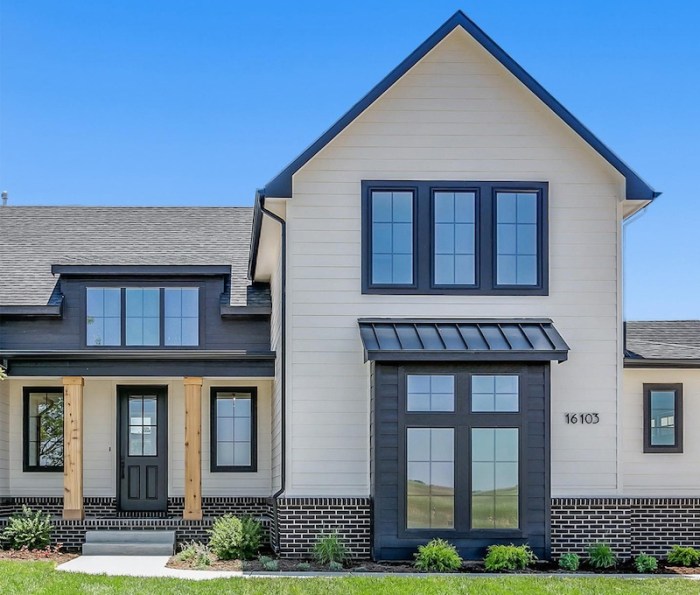
In conclusion, Hardiebacker exterior siding proves to be a top choice for homeowners and builders alike, offering durability and style in one package. With the right care and attention, your Hardiebacker siding will stand the test of time, providing lasting protection for your home.
Detailed FAQs
Is Hardiebacker siding suitable for all climates?
Yes, Hardiebacker siding is designed to withstand a wide range of weather conditions, making it suitable for most climates.
Can Hardiebacker siding be painted?
Yes, Hardiebacker siding can be painted to match your home’s aesthetic preferences.
How long does Hardiebacker siding typically last?
Hardiebacker siding is known for its longevity and can last up to 50 years with proper maintenance.