Exploring Global Roofing and Siding: A Comprehensive Guide
Global roofing and siding play a crucial role in the construction industry, shaping the aesthetics and durability of buildings worldwide. From traditional materials to innovative techniques, this guide delves into the diverse world of roofing and siding options available on a global scale.
In the following sections, we will explore the different types of materials, sustainable practices, installation techniques, and much more to provide a comprehensive overview of this essential aspect of construction.
Introduction to Global Roofing and Siding

Global roofing and siding refer to the process of installing, repairing, or replacing the protective coverings of buildings across the world. These elements play a crucial role in safeguarding structures from external elements such as weather, debris, and pests. Quality roofing and siding are essential for maintaining the structural integrity and longevity of buildings worldwide.
The Importance of Quality Roofing and Siding
Quality roofing and siding are vital components of any building, serving various essential functions:
- Protection: Roofing and siding act as the first line of defense against harsh weather conditions, preventing water leaks, mold growth, and structural damage.
- Insulation: Properly installed roofing and siding help regulate indoor temperatures, leading to energy efficiency and reduced utility costs.
- Curb Appeal: Well-designed and well-maintained roofing and siding enhance the aesthetic appeal of buildings, increasing property value and attracting potential buyers or tenants.
- Durability: High-quality materials and professional installation ensure the longevity and durability of roofing and siding, reducing the need for frequent repairs or replacements.
Types of Roofing Materials
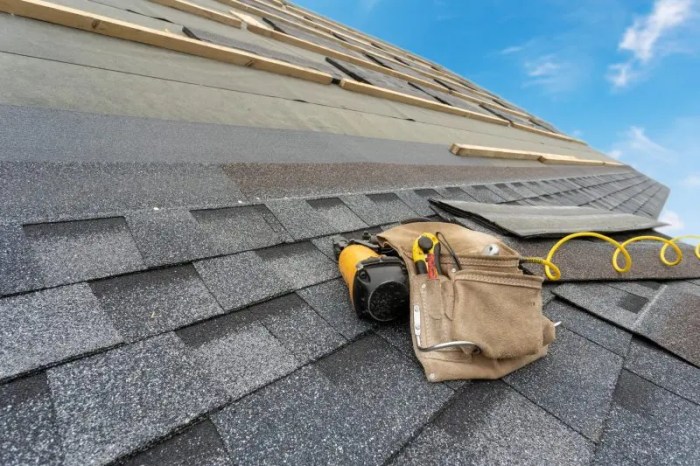
When it comes to roofing materials, there are several common options used globally. Each type has its own unique characteristics and advantages, making them suitable for different climates and architectural styles.
Metal Roofing
Metal roofing is a popular choice due to its durability, longevity, and energy efficiency. It can withstand harsh weather conditions, such as heavy rain and snow, and is resistant to fire and insects. Additionally, metal roofs are lightweight and environmentally friendly, as they can often be recycled at the end of their lifespan.
Shingle Roofing
Shingle roofing is a versatile option that comes in various materials, including asphalt, wood, and slate. Asphalt shingles are the most common due to their affordability and ease of installation. Wood shingles provide a natural look but require more maintenance, while slate shingles are known for their durability and aesthetic appeal.
Tile Roofing
Tile roofing is popular in Mediterranean and Spanish-style architecture, known for its durability and long lifespan. Tiles can be made from clay, concrete, or metal, offering a range of styles and colors to choose from. While tile roofs are heavy and require additional support, they provide excellent insulation and are resistant to fire and moisture.
Flat Roofing
Flat roofing is commonly used in commercial buildings and modern residential designs. Materials such as EPDM rubber, TPO, PVC, and modified bitumen are often used for flat roofs. While flat roofs require regular maintenance to prevent water pooling, they offer additional outdoor living space and can accommodate rooftop gardens or solar panels.
Siding Options for Buildings

When it comes to siding options for buildings, there are several materials available internationally that offer different benefits and drawbacks. It is essential to consider factors such as durability, maintenance, cost, and aesthetic appeal when choosing the right siding material for your property.
Vinyl Siding
Vinyl siding is a popular choice due to its affordability and low maintenance requirements. It comes in a variety of colors and styles, making it a versatile option for many homeowners. However, vinyl siding may crack or fade over time, and it is not as durable as some other materials.
Wood Siding
Wood siding provides a classic and natural look to a building, adding warmth and character. It is environmentally friendly and can be easily painted or stained to match your preferences. However, wood siding requires regular maintenance, including staining, painting, and pest control to prevent rot and decay.
Fiber Cement Siding
Fiber cement siding is a durable and low-maintenance option that can mimic the look of wood or masonry. It is resistant to fire, insects, and rot, making it a long-lasting choice for many homeowners. However, fiber cement siding can be more expensive than other materials, and installation may require professional assistance.
Stucco Siding
Stucco siding is a traditional choice that provides a textured and timeless appearance to a building. It is durable, fire-resistant, and can help regulate indoor temperatures. However, stucco siding can be prone to cracking and may require regular maintenance to prevent water damage and mold growth.
Sustainability in Roofing and Siding
When it comes to roofing and siding, sustainability plays a crucial role in reducing environmental impact and promoting energy efficiency. By incorporating eco-friendly materials and energy-efficient designs, the global roofing and siding industry can contribute to a more sustainable future.
Eco-Friendly Materials
Using eco-friendly materials such as recycled metal, wood, or composite shingles can help reduce the environmental impact of roofing and siding projects. These materials are often sourced sustainably and can be recycled at the end of their lifespan, minimizing waste and promoting a circular economy.
Energy-Efficient Designs
Energy-efficient designs in roofing and siding focus on improving insulation, reducing heat loss, and optimizing natural light intake. By incorporating features such as cool roofs, green roofs, or insulated siding, buildings can reduce energy consumption, lower utility bills, and lessen their carbon footprint.
Roofing and Siding Installation Techniques
When it comes to roofing and siding installation, following the best practices is crucial to ensure the longevity and functionality of the building. Proper installation techniques not only enhance the aesthetics but also improve the overall performance of the roofing and siding materials.
Roofing Installation Steps
- Prepare the roof deck by ensuring it is clean, dry, and free of any debris.
- Install underlayment to provide an extra layer of protection against moisture.
- Begin laying the roofing material, following the manufacturer’s guidelines for proper alignment and overlap.
- Secure the roofing material with nails or screws at the designated points to prevent wind uplift.
- Finish the installation by adding flashing around roof penetrations and edges for added protection.
Siding Installation Steps
- Prepare the exterior walls by checking for any damage or rot that needs repair before installing the siding.
- Start by installing the starter strip at the bottom of the wall to provide a level base for the siding panels.
- Overlap the siding panels correctly and secure them in place using nails or screws, following the manufacturer’s instructions.
- Add corner pieces and trim around windows and doors to give a finished look to the siding installation.
- Inspect the entire siding installation for any gaps or loose panels to ensure proper fit and function.
Conclusive Thoughts
As we conclude this journey through the realm of global roofing and siding, it becomes clear that these elements are not just functional components of a building but also crucial design elements that can enhance both the visual appeal and longevity of structures worldwide.
Whether it’s choosing the right materials or adopting sustainable practices, the world of roofing and siding continues to evolve, offering endless possibilities for builders and homeowners alike.
FAQ
What are the benefits of using eco-friendly materials in global roofing and siding?
Eco-friendly materials not only reduce environmental impact but also offer better insulation, durability, and energy efficiency, making them a sustainable choice for roofing and siding projects.
How do metal roofing materials differ from shingle and tile options?
Metal roofing is known for its longevity and durability, while shingle and tile options provide a more traditional aesthetic appeal. Each material has unique characteristics suitable for different architectural styles and climates.
Are there any disadvantages to using vinyl siding for buildings?
While vinyl siding is cost-effective and low-maintenance, it may not be as durable as other options like fiber cement or wood siding. It can also be prone to cracking or fading over time.