Exploring Damaged Siding: A Comprehensive Guide
Delving into damaged siding, this introduction immerses readers in a unique and compelling narrative. It covers common signs, types of damage, causes, repair, and prevention methods, providing a holistic view of the topic.
Signs of Damaged Siding
Damaged siding can be a common issue that homeowners face, impacting both the aesthetics and structural integrity of a property. It is essential to be able to identify the signs of damaged siding to address any issues promptly.
Common Signs of Siding Damage
- Cracks or splits in the siding material.
- Warping or buckling of the siding panels.
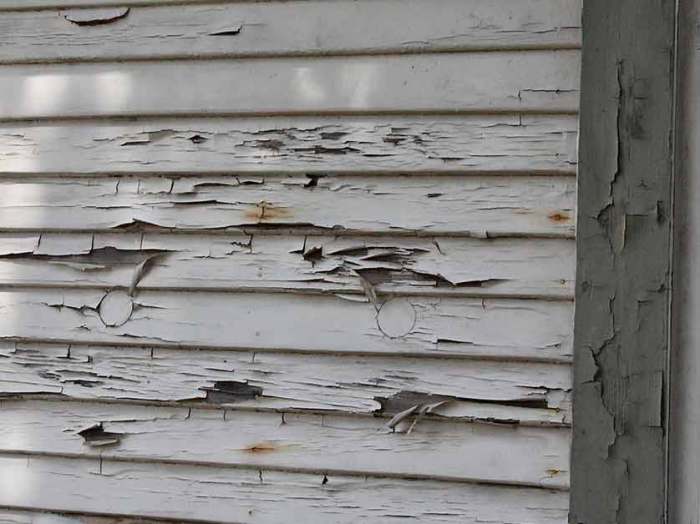
- Peeling or flaking paint on the siding surface.
- Mold or mildew growth on the siding.
- Visible moisture or water stains on the siding.
Impact of Weather Conditions
Weather conditions play a significant role in causing damage to siding. Extreme temperatures, heavy rain, snow, and high winds can all contribute to the deterioration of siding materials over time. Exposure to harsh weather can lead to cracking, fading, or warping of the siding, making it more susceptible to damage.
Effect of Age on Siding Condition
The age of siding can also impact its condition. As siding gets older, it may become more brittle, less flexible, and prone to cracks or other forms of damage. Regular maintenance and inspections are crucial to ensure that aging siding is repaired or replaced as needed to prevent further deterioration.
Types of Siding Damage
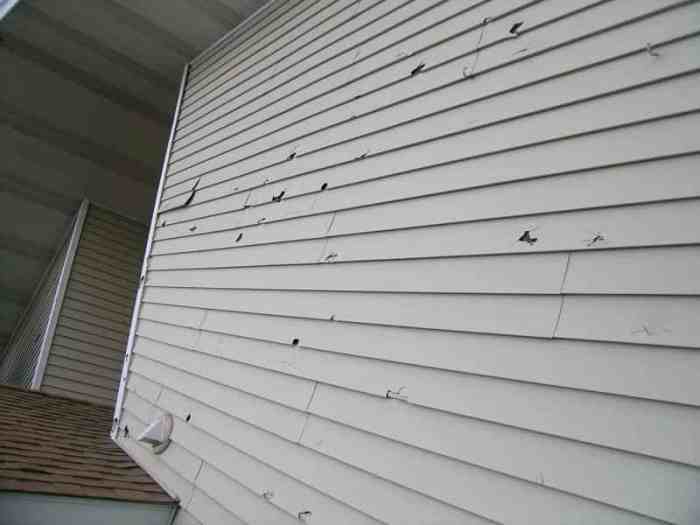
When it comes to siding damage, there are various types that homeowners should be aware of to ensure timely repairs and maintenance.
Impact Damage
Impact damage is caused by physical force hitting the siding, such as hail, fallen branches, or accidental bumps. This type of damage can result in dents, cracks, or holes in the siding, compromising its integrity.
Moisture Damage
Moisture damage occurs when water infiltrates the siding, leading to rot, mold, or mildew growth. This type of damage can weaken the siding material and cause it to warp or deteriorate over time.
Fading and Discoloration
Fading and discoloration are common types of damage that occur due to prolonged exposure to sunlight. UV rays can cause the color of the siding to fade or change, affecting the overall appearance of the home.
Insect Infestation
Insects like termites, carpenter ants, or wood-boring beetles can cause significant damage to siding by burrowing into the material. These pests can weaken the structure of the siding and compromise its durability.
Minor vs. Severe Damage
Minor siding damage may include small cracks, chips, or discoloration that can be easily repaired. On the other hand, severe damage such as extensive rot, large holes, or widespread insect infestation may require complete replacement of the siding for proper restoration.
Causes of Damaged Siding
Poor installation and moisture intrusion are two common causes of siding damage that can significantly impact the integrity and longevity of your siding.
Poor Installation
Improper installation of siding can lead to a host of issues, including gaps, loose panels, and buckling. When siding is not installed correctly, it is more susceptible to damage from wind, rain, and other environmental factors. Additionally, poor installation can compromise the overall structural integrity of the siding, making it more prone to cracking, warping, or breaking.
Moisture Intrusion
Moisture intrusion is another leading cause of damaged siding. When water penetrates the siding material, it can lead to rot, mold, and mildew growth, as well as warping or swelling of the siding panels. Moisture trapped behind siding can also cause the paint or finish to peel or bubble, further compromising the protective barrier of the siding.
Over time, this can weaken the siding material and result in costly repairs or replacement.
Repairing Damaged Siding
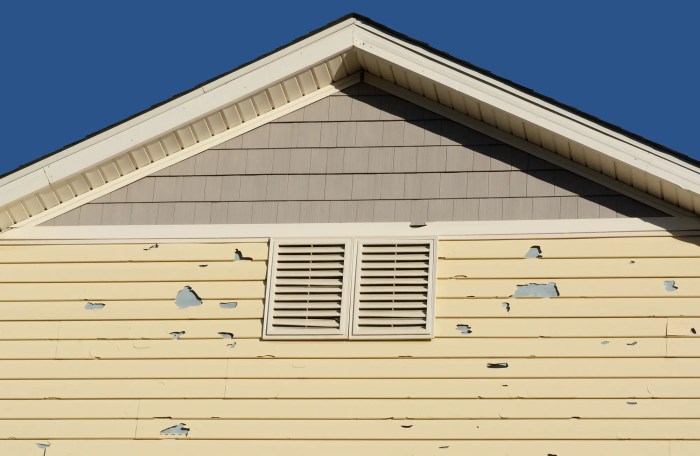
When it comes to repairing damaged siding, it’s essential to address minor issues promptly to prevent further damage and maintain the integrity of your home’s exterior. Here are the steps involved in repairing minor siding damage:
Steps for Repairing Minor Siding Damage:
- Assess the damage: Start by inspecting the extent of the damage to determine if it can be repaired or if replacement is necessary.
- Clean the area: Remove any dirt, debris, or mold from the damaged area to prepare it for repairs.
- Repair cracks or holes: Use caulk or putty to fill in small cracks or holes in the siding.
- Repaint or replace damaged panels: If the damage is more extensive, consider repainting or replacing the damaged siding panels.
- Seal and protect: Once the repairs are complete, seal the area to protect it from future damage.
When to Replace Siding:
Sometimes, repairing damaged siding may not be enough to restore its functionality and appearance. It’s necessary to replace siding rather than repair it in the following situations:
- Extensive damage: If the siding is severely damaged, with large holes, warping, or rot, replacement may be the best option.
- Aesthetic reasons: If the siding is outdated or significantly faded, replacing it can improve the curb appeal of your home.
- Mold or moisture issues: If moisture has seeped into the siding, causing mold growth or structural damage, replacement may be necessary to address the underlying issues.
The Importance of Hiring Professionals for Siding Repairs:
- Expertise: Professional siding repair contractors have the knowledge and experience to assess damage accurately and recommend the most effective solutions.
- Quality work: Professionals have access to the right tools and materials to ensure that repairs are done correctly, enhancing the longevity of your siding.
- Time-saving: Hiring professionals can save you time and effort, as they can complete repairs efficiently and effectively.
- Warranty: Many professional siding repair services offer warranties on their work, providing you with peace of mind and assurance of quality.
Preventing Siding Damage
Preventing siding damage is essential to maintain the structural integrity and appearance of your home. By taking proactive measures, you can prolong the lifespan of your siding and avoid costly repairs.
Regular Maintenance
Regularly inspecting your siding for any signs of damage, such as cracks, holes, or moisture buildup, can help you address issues early on before they escalate. Cleaning your siding periodically to remove dirt, debris, and mold can also prevent damage and extend its lifespan.
Choose the Right Siding Material
The type of siding material you choose can significantly impact its durability and resistance to damage. Consider factors such as climate, maintenance requirements, and cost when selecting siding for your home. Opt for high-quality materials that are known for their longevity and ability to withstand environmental factors.
Outcome Summary
In conclusion, understanding the signs, types, causes, repair, and prevention of damaged siding is crucial for homeowners. By following the tips and advice Artikeld in this guide, you can ensure the longevity and durability of your home’s siding.
FAQ Overview
What are common signs of damaged siding?
Common signs include warping, cracking, discoloration, and mold growth on the siding.
When is it necessary to replace siding instead of repairing it?
If the damage is extensive, such as large cracks or significant warping, it’s usually more cost-effective to replace the siding.
How can poor installation lead to damaged siding?
Poor installation can create gaps or uneven surfaces in the siding, allowing moisture to seep in and cause damage over time.